Source FDA LFGB Cookware Set for Home, Hotel, and Catering
Source FDA LFGB cookware set options from 30 verified listings. Compare features like non-stick coatings, induction-compatible bases, and durable aluminum alloy bodies to find the right fit for your kitchen or business needs; compare the available evidence and request quotations based on your requirements.
Key considerations
Products List
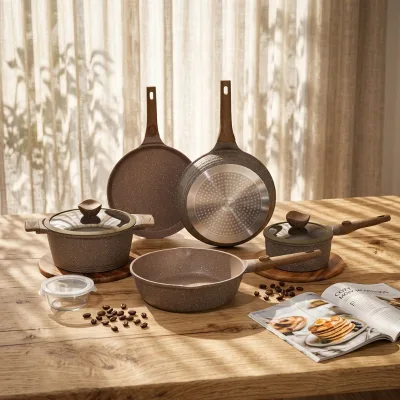
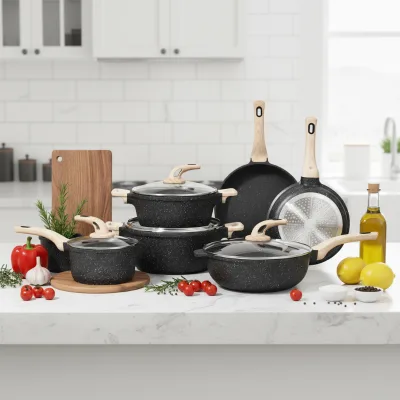
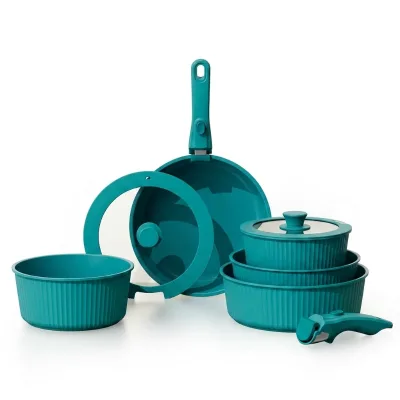
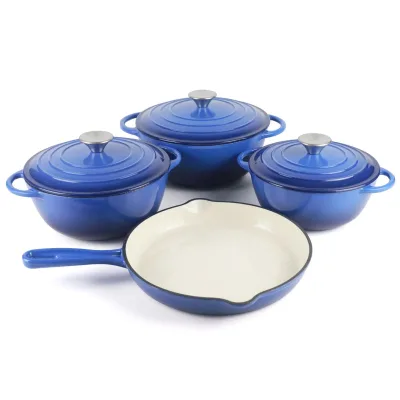


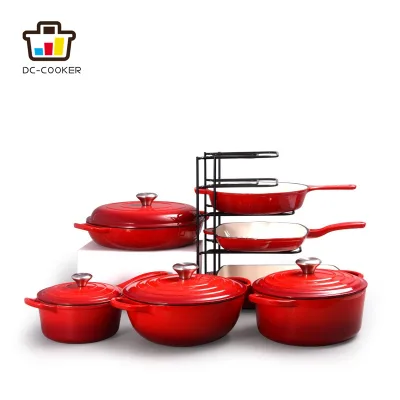
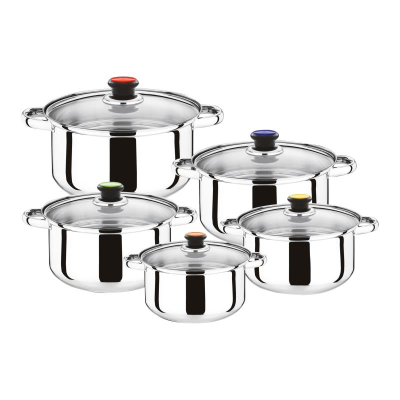


$24.25 - $27.25
Moq: 100


Comprehensive Sourcing Guide
FDA LFGB Cookware Set Sourcing Guide
Procuring an FDA and LFGB certified cookware set requires careful selection of materials that ensure food safety during high-heat cooking. The observed market data indicates that aluminum alloy bodies with stainless steel induction bases are common configurations for these sets. Buyers must verify that the specific product listing explicitly states compliance with both FDA and LFGB standards, as these certifications address different regional safety requirements for food contact materials.
The functional scope of these sets often includes multi-functional pots designed for home cooking on various stove types. Listings show that these products frequently feature non-stick coatings, such as granite or ceramic, which are applied to the interior surfaces to facilitate easy cleaning and healthy cooking. Sourcing teams should prioritize sets that explicitly mention these coating types alongside the required safety certifications to ensure the cookware meets international health standards for daily kitchen use.
Product Scope and Observed Listing Signals
Buyers should analyze the product attributes to distinguish between different set configurations, such as the 10-piece or 20-piece options observed in the market. The data reveals variations in design styles, ranging from modern luxury to contemporary aesthetics, with color options like beige or black available. It is critical to confirm the exact number of pieces and included accessories, such as utensils or glass covers, to ensure the set matches the specific operational needs of the target kitchen environment.
Observations indicate that while some products are stocked and ready for immediate shipment, others may require custom manufacturing with specific lead times. The presence of features like lightweight construction and eco-friendly claims suggests a focus on user convenience and sustainability. Procurement teams must verify that these advertised features align with the actual product specifications, particularly regarding the handle materials, which can vary between bakelite and composite materials depending on the specific model selected.
Technical Specifications to Verify
Technical verification must begin with the body material and bottom construction, as these dictate heat distribution and stove compatibility. The supplied facts confirm that aluminum alloy bodies with stainless steel bottoms are standard, supporting general use on both gas and induction cookers. Buyers should explicitly request test data or material certificates to validate that the stainless steel base is thick enough to prevent warping and ensure efficient heat transfer across the entire cooking surface.
The interior and exterior coating processes are equally critical for performance and longevity. Listings specify PTFE or ceramic non-stick coatings, with some products featuring multi-layer exterior finishes for durability. It is essential to confirm the maximum temperature rating, as some data points suggest a limit of 525°F and above, which is necessary for high-heat searing. Procurement teams must ensure the specified coating is free from harmful substances and that the care instructions, such as hand-wash only, are clearly communicated to prevent premature degradation.
Compliance and Safety Documentation
Documentation review must focus on the specific certifications listed, such as BSCI, ISO9001, FDA, and LFGB, which are frequently cited in product attributes. These certifications indicate that the supplier adheres to international management standards and food safety regulations. Buyers should request valid, up-to-date certificates for each specific product model, as the presence of a general company certification does not automatically guarantee that every SKU in the catalog meets the same rigorous safety thresholds.
Safety verification also extends to the materials used for handles and lids, which must withstand high temperatures without deforming or releasing toxins. The observed use of bakelite and composite materials for handles suggests a focus on heat resistance, but this must be confirmed against the maximum operating temperature of the set. Additionally, the glass cover type should be inspected for thermal shock resistance, ensuring it remains safe during rapid temperature changes typical in professional or heavy home cooking scenarios.
Cost Drivers and Commercial Terms
Commercial terms are heavily influenced by the minimum order quantity, which ranges significantly from 1000 to 1200 sets depending on the specific product model. Buyers must calculate the total landed cost by factoring in these MOQs, as ordering below the threshold may result in higher unit prices or the inability to secure the product. Understanding the sample time, which varies between 7 to 15 days, is also crucial for planning production schedules and ensuring timely delivery to meet market demands.
Pricing structures are further affected by customization options, including OEM and ODM services that allow for brand-specific designs. The observed price range of 0.5 to 97.4 USD suggests a wide variance based on the number of pieces, coating quality, and design complexity. Procurement teams should negotiate based on the total volume and the specific features required, such as the inclusion of utensils or specific color finishes, to optimize the cost per unit while maintaining the desired quality and safety standards.
Supplier Qualification and Quality Control
Supplier qualification should prioritize manufacturers with established track records in producing cookware sets that meet international safety standards. The presence of certifications like BSCI and ISO9001 suggests a commitment to ethical labor practices and quality management systems. Buyers should conduct on-site audits or request third-party audit reports to verify that the supplier's production facilities consistently maintain the high standards required for food-contact products, particularly regarding the application of non-stick coatings.
Quality control protocols must be strictly enforced to ensure that every batch meets the specified technical and safety requirements. Given the variation in product attributes, such as the difference between granite and ceramic coatings, it is vital to implement rigorous inspection procedures at the factory before shipment. Buyers should define clear acceptance criteria for defects, including coating adhesion, handle stability, and overall finish, to prevent the receipt of substandard goods that could compromise brand reputation.
Long-Term Procurement Checks
Long-term procurement success depends on establishing a reliable supply chain that can consistently deliver high-quality cookware sets over time. Buyers should monitor the supplier's ability to maintain certification validity and adhere to the agreed-upon lead times and sample times. Regular communication regarding production updates and any potential changes in material sourcing or manufacturing processes will help mitigate risks associated with supply chain disruptions or quality inconsistencies.
Continuous performance monitoring is essential to ensure that the cookware sets continue to meet customer expectations and safety regulations. Buyers should gather feedback from end-users regarding the durability of the non-stick coating and the ease of cleaning, as these are key factors in customer satisfaction. By maintaining a proactive approach to supplier management and quality assurance, organizations can build a resilient procurement strategy that supports long-term growth and brand integrity in the competitive cookware market.
FAQs
What certifications do these cookware sets hold?
The cookware sets hold BSCI, ISO9001, LFGB, and FDA certifications. These credentials ensure compliance with international safety and quality standards for food contact materials. Buyers can verify these documents to confirm regulatory adherence for their specific regional markets and distribution channels.
Can I customize the brand name on the set?
Yes, OEM and ODM services are acceptable for these cookware sets. Buyers can request custom branding, such as replacing the standard BOREINE label with their own logo. This customization supports private labeling strategies for retailers looking to establish unique brand identities in the market.
What is the minimum order quantity for these sets?
The minimum order quantity varies between 1000 and 1200 sets depending on the specific model. For instance, the JH-L set requires 1000 sets, while the C-ZY set requires 1200 sets. Buyers should confirm the exact MOQ for their chosen model before placing orders.
How long does it take to receive samples?
Sample delivery typically takes 7 to 15 days. The JH-L model requires 7 to 10 days, while the C-ZY model takes 7 to 15 days. This timeframe allows buyers to evaluate product quality and coating durability before committing to larger bulk production runs.
What materials are used for the handles and bodies?
The bodies are made from aluminum alloy with stainless steel bottoms. Handles are crafted from Bakelite or composite materials for heat resistance. The interior features PTFE or ceramic non-stick coatings, ensuring safe cooking and easy cleaning while maintaining durability for frequent home use.
Are these cookware sets compatible with induction cookers?
Yes, the sets feature induction bases and are suitable for general use on gas and induction cookers. The stainless steel bottoms ensure efficient heat transfer on induction stovetops. This versatility allows buyers to market the products to consumers who use various kitchen appliance types.